




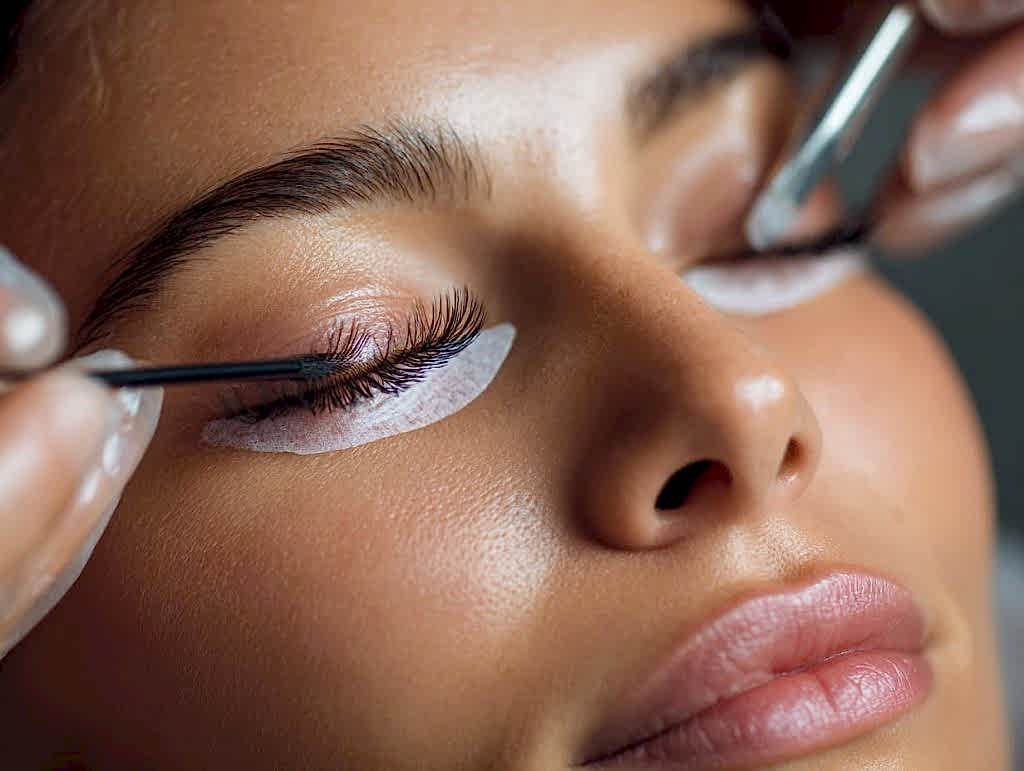
Kirpik Lifting Sonrası Bakım: Bilmeniz Gerekenler
Kirpik lifting sonrası bakım, uygulamanın başarısını belirleyen en önemli...
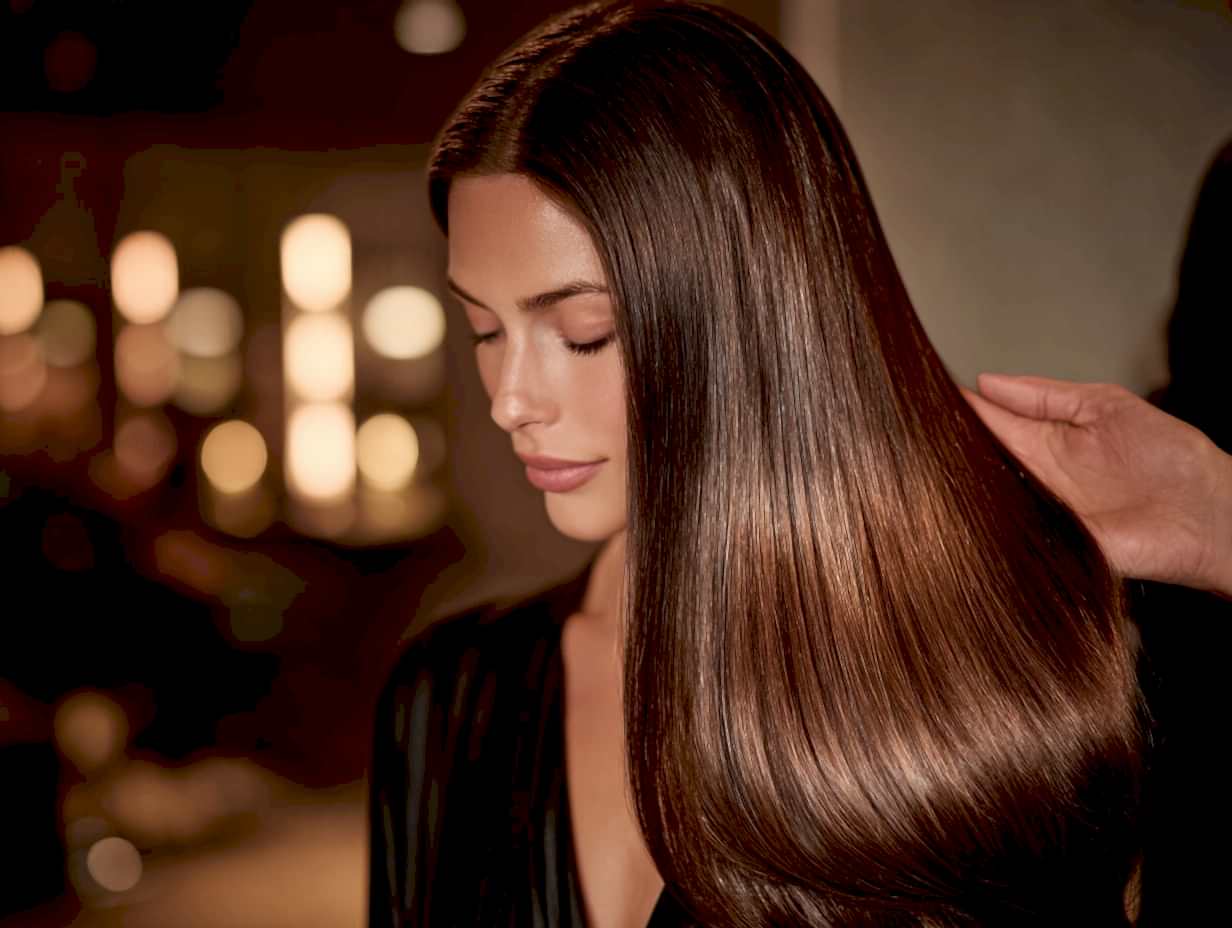
Transforming your hair with hair botox is a luxurious experience, but the real secret to lasting smoothness and shine lies in proper aftercare. The right routine preserves the treatment’s effects, keeps hair hydrated, and prevents frizz or breakage.

To maintain silky, radiant hair, it is essential to follow a structured hair botox aftercare routine. Key steps include:
Consistent aftercare ensures your hair stays soft, glossy, and resilient. Following technical tips and the correct products enhances the treatment, giving your hair a long-lasting, indulgent finish.
Hair Botox is a deep-conditioning treatment that nourishes, repairs, and smooths hair at the molecular level. Unlike traditional Botox for skin, it does not contain botulinum toxin. It uses proteins, amino acids, antioxidants, and vitamins to restore keratin, repair damage, and improve elasticity.
Hair Botox repairs split ends and reduces breakage by filling gaps in the cuticle. It smooths frizz, adds shine, and strengthens hair from root to tip. The treatment also hydrates dry or chemically treated hair, making it softer and easier to manage.
Results vary by hair type, condition, and care routine. Effects usually last 2–3 months. Proper aftercare and high-quality products are needed to maintain results.
The treatment binds proteins and antioxidants to the hair cortex. This strengthens weak spots and protects hair from environmental damage. Hair becomes smoother, shinier, and more resilient.
The true value of hair botox is unlocked only through diligent aftercare. Once the treatment is complete, the hair is at its most vulnerable. Without proper care, the proteins and nutrients infused during the session can be stripped away, leading to dryness, frizz, and dullness.
Consistent aftercare helps:
Using professional hair botox aftercare products locks in results and maximizes the benefits of your treatment. At Heli Beauty, we emphasize that attentive aftercare transforms your hair botox into a lasting, indulgent experience, keeping hair healthy, luminous, and refined.

The first three days are the foundation of your result. During this period, the treatment settles into the hair fiber, helping you achieve a smooth and glossy finish.
Hair botox works through protein and peptide infusion. These ingredients need uninterrupted time to attach to the inner structure of the hair. Exposure to water, humidity, or friction too early can interrupt this process. Waiting 48–72 hours supports full absorption and longer-lasting results.
| Time / Phase | Focus | Actions | Tips / Notes |
| 0–72 Hours | Foundation & Absorption | • Do not wash hair until 48–72 hours have passed. • Keep hair relaxed and untied to prevent creasing. • Avoid coloring, perms, or strong chemical services. • Avoid humidity, heavy sweating, steam rooms, and rain. • Sleep on silk pillowcases or wrap hair in silk scarves. • Refrain from tight hats or headbands. | • Minimize friction and tension to help proteins attach. • These first days determine longevity and smoothness of the treatment. |
| First Wash (48–72 Hours) | Gentle Cleansing | • Choose a sulfate-free, low-foam shampoo with balanced pH. • Dilute shampoo before applying to soften impact. • Cleanse scalp gently; avoid rough movements on lengths. • Rinse with warm water first, then cool water to seal the cuticle. • Condition only mid-lengths and ends for a light, smooth finish. | • Avoid over-shampooing to maintain the treatment. • Focus on mid-lengths and ends, not roots, for lightness and smoothness. |
| Heat & Styling | Controlled Styling | • Always apply a heat protectant. • Use low to medium airflow and moderate heat while blow-drying. • Flat-iron below 180 °C; make one slow pass per section. • Use ceramic or tourmaline tools for a softer touch. | • Avoid multiple passes to prevent protein damage. • Gentle styling preserves shine and smooth texture. |
This 72-hour routine is the most defining part of hair botox care. Thoughtful choices now support weeks of silky, reflective hair.

Experience the ultimate hair botox aftercare designed to keep your hair smooth, healthy, and radiant. Hair botox specialists at Heli Beauty hold world-class expertise. With precision and care, they use premium professional products to enhance and prolong the hair botox treatment results.
Heli Beauty experts provide comprehensive aftercare instructions and guide clients through every step of the process. They also recommend the best products for your hair type and local climate. This ensures the treatment’s effects are fully preserved, keeping hair hydrated, frizz-free, and strong.

A structured month-long routine keeps the treatment vibrant, soft, and beautifully controlled. Each week focuses on a different layer of care.
| Week | Focus | Daily/Weekly Actions | Tips / Notes |
|---|---|---|---|
| Week 1 | Protect and Stabilize | • Follow the initial 48–72 hour no-wash guideline. • Sleep on silk pillowcases or wrap hair in silk scarves. • Keep hairstyles loose to avoid dents and friction. | • Avoid hair ties that can leave marks. • Refrain from washing or styling aggressively. |
| Week 2 | Gentle Maintenance | Use sulfate-free shampoo and nourishing conditioner. Apply a lightweight leave-in serum for softness and hydration. • Limit heat styling; if necessary, use heat protectant. | Focus on gentle handling; avoid rough towel drying. • Use products labeled “sulfate-free” to prevent stripping. |
| Week 3 | Hydration and Repair | • Apply a weekly protein or keratin mask to strengthen hair. • Focus on mid-lengths and ends for extra care. • Protect hair from UV exposure with sun-filter products. | • Balance protein treatments with hydrating masks if hair feels stiff. • Consider leave-in products with peptides for flexible hair fiber. |
| Week 4 | Ongoing Care | • Wash hair 2–3 times per week to preserve treatment. • Detangle gently using a wide-tooth comb. • Add nourishing oils or serums for extra shine. | • Avoid over-washing to maintain smoothness. • Use oils sparingly on lengths to prevent greasiness. |
For those with a protein-based treatment, balance the routine with hydrating masks and peptide-rich formulas to keep the fiber flexible.
With this 30-day plan, hair stays smooth, luminous, and easy to manage. Consistent care extends the beauty of your hair botox and preserves its luxurious texture. Learn more about proper care after protein hair treatment to maximize results.
Using the right products is essential for extending the results of hair botox. The correct formulations protect the hair shaft, lock in nutrients, and maintain smoothness.
Choose sulfate-free shampoos for gentle cleansing without stripping proteins or moisture. Use nourishing conditioners with keratin, amino acids, and natural oils to restore softness and elasticity.
Apply lightweight leave-in serums with heat protection and UV filters to maintain shine and resilience. Incorporate weekly protein or peptide masks to strengthen the hair shaft and prevent breakage.
Do not use shampoos with sulfates or harsh detergents because they remove the treatment and dry hair. Avoid alcohol-based styling products; they can make hair dry and frizzy.
Use heat tools like flat irons, curling irons, or blow-dryers carefully, with protection. Wait before coloring or perming, as these can reduce the Botox effect.
Technical attention to product choice ensures that hair botox aftercare delivers maximum shine, softness, and longevity. Proper formulations maintain a healthy cuticle, smooth texture, and luxurious hair appearance. You can see our guide on keratin hair treatment aftercare.

Tailor your hair botox aftercare to your hair type. Small, technical choices make a big difference. Below are focused routines and pro tips for each hair profile.
| Hair Type | Key Challenges | Ideal Product Types | Daily / Weekly Care Actions |
|---|---|---|---|
| Fine or thin hair | Prone to weighing down, loss of volume, over-proteinization. | Lightweight leave-ins, low-viscosity formulas, low-concentration hydrolyzed keratin, diluted sulfate-free cleansers. | • Dilute shampoo 1:1 with water. • Apply micro-film leave-in for frizz control. • Avoid heavy oils and creams. • Keep conditioners only on mid-lengths and ends. |
| Thick or coarse hair | Higher dryness, rough cuticle, increased frizz. | Fatty acid–rich conditioners, humectants, weekly peptide or keratin masks, silicone-based serums. | • Use creamy, hydrating conditioners. • Apply weekly strengthening masks. • Detangle with a wide-tooth comb from ends upward. • Finish with a lightweight silicone serum. |
| Colored or chemically treated hair | Porous structure, faster color fade, higher protein loss. | Low-pH color-protecting shampoos, alternating moisture and gentle protein masks. | • Rinse with cool water to seal the cuticle. • Alternate moisture and protein weekly. • Avoid frequent chelation. • Check labels for harsh salts or strong chelators. |
| Curly or textured hair | Moisture loss, frizz, uneven absorption, breakage when dry. | Rich leave-ins with panthenol and glycerin, balanced occlusives, curl creams. | • Apply leave-ins to soaking-wet hair. • Define curls without heat. • Limit clarifying shampoos to every 2–3 weeks. • Layer moisture before styling. |
| Hair with extensions | Bond sensitivity, slippage risk, mixed fiber needs. | Extension-safe cleansers, lightweight conditioners, light serums (never at bonds). | • Treat natural hair and extensions separately. • Keep conditioners away from roots and bonds. • Brush with a looped or extension-specific brush. • Start detangling from the tips. |
| Oily scalp / frequent washers | Excess sebum, over-cleansing, faster product breakdown. | Balanced surfactant shampoos, dry shampoo, lightweight film-formers. | • Cleanse with mild formulas. • Keep conditioners on lengths and ends only. • Use dry shampoo between washes. • Choose film-formers for longer-lasting results. |
Use lightweight, low-viscosity products with low-concentration hydrolyzed keratin. Avoid heavy oils that can weigh hair down. Wash with a low-foaming, sulfate-free shampoo, ideally diluted 1:1 with water. For styling, apply a micro-film leave-in to control frizz without adding weight.
Focus on hydration and slip. Use creamy conditioners with fatty acids and humectants, and strengthen the cortex weekly with peptide or keratin masks. Detangle with a wide-tooth comb, starting at the ends. Finish with a lightweight silicone-based serum to smooth the cuticle and control frizz.
For colored or chemically treated hair, use low-pH products designed for color protection. Alternate moisture masks with gentle protein treatments to maintain balance. Rinse with cool water to close the cuticle and preserve color.
Avoid frequent chelation and check labels for salts or strong chelators. See our guide on how to maintain colored hair for full protocols.
For curly or textured hair, focus on moisture rather than weight. Use rich leave-ins with panthenol and glycerin, balanced with occlusives, applied to soaking-wet hair for even coverage. Define curls gently without heat, and limit clarifying shampoos to once every 2–3 weeks.
For hair with extensions, treat natural hair and extensions separately. Use bonded-safe cleansers and lightweight conditioners near the bonds. Avoid heavy serums at attachment points to prevent slippage. Brush with a looped or extension-specific brush, starting at the tips. See our full guide for hair extension aftercare.
For oily scalps or frequent washers, use mild cleansers with balanced surfactants. Apply conditioners and masks only to the lengths and ends. Use dry shampoo between washes to reduce friction. Choose products with film-forming polymers to help them last longer.
Personalize your routine. Match product texture, active concentration, and pH to your hair’s needs. These focused choices preserve the hair botox effect and keep hair smooth, strong, and radiant.

Environmental care is part of thoughtful hair botox aftercare. Small technical choices protect the treatment and extend results. Below are climate-specific routines and pro tips.
| Climate / Condition | Key Challenges | Essential Product Types | Daily / Weekly Care Actions | Technical Notes & Pro Tips |
|---|---|---|---|---|
| Hot, humid climates | High moisture in the air causes cuticle swelling and frizz. Protein film can weaken faster. | Lightweight leave-ins, film-formers, anti-humidity sprays, humectant-balanced formulas, sulfate-free low-foam shampoos. | • Rinse with cool water. • Use a lightweight film-forming leave-in daily. • Wash with a low-foaming, sulfate-free shampoo. • Finish styling with an anti-humidity shield. | • Avoid heavy creams; they collapse in humidity. • Silicone derivatives create a breathable barrier that limits swelling. |
| Cold, dry climates | Low humidity leads to dehydration, static, and lipid loss. Hair becomes brittle. | Lipid-rich masks, oils (fatty-acid based), panthenol leave-ins, film-formers. | • Use weekly lipid-rich masks. • Seal mid-lengths and ends with a light oil. • Use panthenol-rich leave-ins to maintain elasticity. • Rinse with lukewarm water. | • Avoid hot water, it lifts cuticles and weakens the treatment. • Keep indoor humidity stable when possible. |
| High-sun / high-UV exposure | UV radiation degrades the Botox film, fades color, and creates dryness. | UV-filter styling products, protective sprays, hydrating serums. | • Apply UV-filtered products before going outside. • Reapply lightweight sprays during long exposure. • Use hydrating serums after sun time. | • Wear a wide-brim hat to reduce direct UV load. • Avoid heavy oils before sun exposure as they can amplify heat. |
| Swimming / chlorine exposure | Chlorine and salt water strip proteins and cause roughness. Chelation can weaken the treatment if overused. | Concentrated leave-in conditioners, chelating shampoos (occasional use), hydrating masks. | • Pre-wet hair before swimming. • Apply a concentrated leave-in as a barrier. • Rinse immediately after swimming. • Use chelating shampoo only when needed. | • Chelators remove buildup but shorten treatment duration, use sparingly. • Double-conditioning after swimming helps rebalance softness. |
| Urban, polluted environments | Pollutants create oxidative stress and dullness. Particulate matter weakens cuticles over time. | Low-pH antioxidant shampoos, antioxidant masks, lightweight film-formers. | • Rinse with low-pH, antioxidant-rich cleansers. • Apply a light film-forming serum after styling. • Use a weekly antioxidant mask. | • Antioxidants help preserve the cortex. • Film-formers shield the cuticle from airborne pollutants |
Use lightweight, film-forming leave-ins to control cuticle swelling. Choose humectant-balanced products to prevent over-swelling. Rinse with cool water and wash with a low-foaming, sulfate-free shampoo to protect deposited proteins.
Finish with an anti-humidity spray containing silicone derivatives for a breathable barrier.
Use weekly lipid-rich masks with fatty acids to restore the hydrolipidic layer. Apply an oil-based sealant on mid-lengths and ends to reduce water loss. Choose leave-ins with panthenol and film-formers to maintain elasticity. Rinse with lukewarm water to protect the treatment bond and avoid hot water.
Choose styling products with UV filters to protect both color and the Botox film. Reapply light protective sprays before prolonged sun exposure. Wear a wide-brim hat when possible to reduce UV stress.
Before swimming, pre-wet hair with fresh water and apply a concentrated leave-in conditioner. Rinse immediately afterward and use a chelating shampoo only when buildup appears. Limit chelation, as frequent use can shorten results.
Rinse hair with low-pH, antioxidant-rich products to neutralize pollutants. Follow with a light film-former to protect the cuticle. A weekly antioxidant mask helps shield the cortex from oxidative stress.
For guidance on specific formulations, consult lists of recommended hair botox aftercare products. These climate adjustments are a practical part of how to maintain hair botox and keep hair smooth, radiant, and resilient.
Even with careful hair botox aftercare, some issues can appear. Below are common problems, likely causes, immediate fixes, and prevention tips.
Frizz can return early due to mechanical abrasion, humidity, or loss of bonded proteins. Apply a lightweight leave-in and smooth hair with a low-temperature blow-dry.
Use low-foaming, sulfate-free shampoos and anti-humidity serums, washing only 2–3 times a week. Film-forming silicones and a proper humectant–occlusive balance help control cuticle swelling.
Flat, limp hair often results from heavy oils or too much protein. Gently clarify with a diluted, low-pH cleanser and follow with a lightweight conditioner. Use low-viscosity serums for fine hair and alternate protein masks with hydrating treatments. Keeping a protein–moisture balance helps prevent stiffness.
Uneven smoothing or patchy results usually come from uneven product application or leftover styling products. Ask the salon for a refresh instead of using high-heat tools at home.
Make sure the technician applies the formula evenly and clarify the hair beforehand. Even distribution of peptides and hydrolyzed keratin helps reinforce the cortex uniformly.
It often happens when hair gets damp or sweats heavily before bonds form. Gently blot hair with a microfiber towel and use a blow dryer on low heat, avoiding rubbing. K
eep hair away from rain, steam, and intense exercise for the first 48–72 hours. This period lets actives penetrate the cortex and form strong, stable bonds.
Color fade, or brassiness, comes from chlorine, UV exposure, or harsh surfactants. Refresh color with a color-depositing mask or purple shampoo and rinse with cool water. Protect hair with UV-filtering leave-ins, color-safe aftercare, and pre-rinse before swimming. Low-pH care helps close cuticles and preserve dye.
Product buildup and dullness can result from heavy silicones, oils, or frequent dry-shampoo use. Clear it with a mild clarifying wash, rinse well, and follow with a hydrating mask.
Prevent buildup by rotating clarifying treatments and avoiding daily heavy products. Use chelators sparingly, as overuse can strip bonded proteins.
Split ends and breakage often come from mechanical damage or over-processing. Trim damaged ends and use a protein mask sparingly to help.
You can prevent further damage with weekly moisture treatments and limit high-heat styling. Properly used hydrolyzed proteins and peptides can strengthen hair.
Scalp irritation or sensitivity can result from a product allergy or leftover alkaline residue from previous treatments. To ease discomfort, stop using the suspected product, rinse with cool water, and apply a gentle, pH-balanced scalp rinse. If irritation continues, consult a professional.
Always patch-test new products and avoid strong alkaline treatments before service. Keeping rinses neutral to slightly acidic helps protect the scalp.
These troubleshooting steps will help you protect your investment. For full routines and product recommendations, see guides on how to maintain colored hair and the Ultimate Guide to Beauty Aftercare.
A hair Botox treatment usually takes 60–90 minutes. The timing depends on your hair length and thickness. At Heli Beauty, our experts tailor every step to give your hair a smooth, glossy, rejuvenated finish.
Hair Botox results last 3–5 months with proper care. High-quality aftercare products help extend the treatment’s shine and softness.
Wait at least 48 hours before tying your hair. This prevents marks and keeps the sleek, frizz-free look intact.
Use a sulfate-free shampoo and hydrating mask. Limit heat styling. Protect your hair during sun exposure. These steps help maintain the results of your hair Botox treatment in Istanbul and keep the fiber smooth.
Every 3–4 months is ideal. Regular sessions help rebuild damaged strands and preserve long-term softness.
Avoid pools and the sea for 3 days. Chlorine and salt water may reduce the longevity of the treatment. For travelers looking for long-lasting hair Botox in Istanbul, this step is essential.
Yes. Hair Botox is a non-chemical, deep-conditioning treatment. It does not contain harsh straightening agents. It is safe for most hair types, including colored or sensitive hair.
Choose sulfate-free haircare, limit heat styling, and wear UV protection in the sun. Apply leave-in treatments weekly. For extra care, visit Heli Beauty monthly for a professional hydrating ritual to support hair fibers.
It is best to dye your hair before the treatment. If you prefer coloring afterward, wait 7–10 days. This protects the vibrancy and ensures your hair Botox results stay smooth.
Sleep on a silk pillowcase to reduce friction. Keep your hair loose and straight. Avoid braids or tight styles on the first night.
Anyone with dry, frizzy, brittle, or over-processed hair benefits from hair treatment. It is ideal for travelers seeking a premium hair treatment in Istanbul, including protein hair treatment and Botox hair treatment that restores moisture, shine, and manageability.

Kendini Sevme Zamanı!
Lüks Hizmetlerimizle Görünümünüzü Güzelleştirin